
Another Word for Ability: 30 Synonyms With Examples
The most common words to use instead of “ability” are skill, capability, capacity, competence, and talent. “Skill” fits learned abilities, “capability” fits what a person or system can do, and “talent” fits natural gifts.
The best choice depends on what kind of ability you mean. It might be the power to do something (capability, capacity), a learned skill (proficiency, expertise), or a natural gift (aptitude, flair, knack). It might also be a high level of excellence (mastery, prowess) or untapped ability (potential).
Quick list: capability, skill, capacity, competence, aptitude, talent, proficiency, expertise, knack, prowess
This article looks at 30 alternatives, with meanings, IPA, usage notes, examples, and context. Some are close synonyms and others are related words that suit only certain situations.
At a Glance: Ability Synonyms and Related Alternatives
| Alternative | Part of Speech | Meaning | Register / Tone | Ideal Context |
| Capability | noun | The power to do something | Neutral to formal | People, teams, machines, systems |
| Capacity | noun | The power to do, learn, or hold something | Neutral to formal | “Capacity for” learning, work, feeling |
| Competence | noun | Being able to do something well enough | Formal | Jobs, exams, professional standards |
| Skill | noun | Ability gained through training or practice | Neutral | Trades, sports, everyday tasks |
| Aptitude | noun | Natural fitness for learning something | Neutral to formal | Tests, schooling, career advice |
| Talent | noun | A special natural ability | Neutral, warm | Arts, sport, performance |
| Proficiency | noun | A high, tested level of skill | Formal | Languages, software, certifications |
| Expertise | noun | Expert skill and knowledge in a field | Formal | Professional or technical fields |
| Knack | noun | An easy, natural way of doing something | Informal | Small, specific tasks |
| Prowess | noun | Great skill, often in sport or fighting | Formal, admiring | Athletics, battle, leadership |
Which Word Should You Use?

| If you want to… | Use | Why |
| Say someone or something can do a task | Capability | It focuses on what can be done. |
| Describe an ability gained through practice | Skill | It suggests training and effort. |
| Describe a natural gift | Talent | It suggests the ability is inborn. |
| Show someone meets a job standard | Competence | It means “good enough to do the job properly.” |
| Show a high, measurable level | Proficiency | It fits language levels and software tests. |
| Show deep knowledge plus skill | Expertise | It covers both knowing and doing. |
| Describe an easy trick of the trade | Knack | It sounds casual and specific. |
| Praise great skill in sport or battle | Prowess | It sounds admiring and a little formal. |
| Talk about ability that has not developed yet | Potential | It points to the future, not the present. |
Exploring the Multiple Meanings of “Ability”
1. The Power or State of Being Able
- Meaning: The quality of being able to do something.
- Explanation: This is the basic sense. It says only that someone or something can do an action. It does not say how well.
- Example: Birds have the ability to fly.
2. Skill or Competence
- Meaning: The skill needed to do something well.
- Explanation: Here “ability” means a level of quality. It is often described with words like “great,” “average,” or “limited.”
- Example: She has real ability as a pianist.
3. Natural Talent
- Meaning: An inborn gift or aptitude.
- Explanation: This sense stresses that the ability comes easily. It is common in school and sport.
- Example: The coach noticed his natural ability right away.
4. Abilities (Plural)
- Meaning: A person’s mental or physical powers, talents, or skills.
- Explanation: The plural often means a person’s overall range of talents. It often appears in phrases like “use your abilities.”
- Example: The test measures a child’s reading and math abilities.
5. Means or Capacity to Pay
- Meaning: The financial means needed to do something.
- Explanation: This sense appears in set phrases such as “ability to pay.” It describes resources, not skill.
- Example: The fee is based on your ability to pay.
Sources: Merriam-Webster; Collins English Dictionary; Dictionary.com
Analyzing 30 Ability Alternatives in Detail
Some of these words are close synonyms of “ability,” while others are related alternatives that fit only certain contexts. Each Usage note says which is which.
Core Synonyms
1. Capability
IPA: /ˌkeɪpəˈbɪləti/ (US and UK)
Definition: The quality of being able to do something; the power or fitness to do or achieve something.
- Usage: A close synonym. It often describes what a person, team, machine, or system can do, and it sounds a little more technical than “ability.”
- Example: The new phone has the capability to record in 4K video.
2. Capacity
IPA: /kəˈpæsəti/ (US and UK)
Definition: The power to do, learn, or hold something.
- Usage: A close synonym in phrases like “capacity for.” It also means the amount something can hold, which “ability” does not.
- Example: She has a great capacity for learning new languages.
3. Competence
IPA: US /ˈkɑːmpətəns/ · UK /ˈkɒmpɪtəns/
Definition: The quality of being able to do something well or well enough.
- Usage: A close synonym, but it stresses meeting a standard, not excellence. It is formal and common in workplace language.
- Example: The exam checks basic competence in first aid.
4. Skill
IPA: /skɪl/ (US and UK)
Definition: The ability to do something well, usually gained through training or practice.
- Usage: A close synonym, but narrower. “Skill” usually means learned ability, while “ability” can also be natural.
- Example: Cooking is a skill that improves with practice.
5. Aptitude
IPA: US /ˈæptətuːd/ · UK /ˈæptɪtjuːd/
Definition: A natural ability or fitness for learning or doing something.
- Usage: A close synonym that focuses on how easily someone learns. It is common in schools and career testing.
- Example: He showed an aptitude for math at an early age.
Natural Talent
6. Talent
IPA: /ˈtælənt/ (US and UK)
Definition: A special natural ability or gift.
- Usage: A close synonym for inborn ability. It does not suit basic abilities, so you would say “the ability to read,” not “the talent to read.”
- Example: She has a rare talent for drawing faces.
7. Gift
IPA: /ɡɪft/ (US and UK)
Definition: A natural ability or talent.
- Usage: A close synonym, usually in the phrase “a gift for.” It sounds warm and suggests the ability came easily.
- Example: He has a gift for making people laugh.
8. Flair
IPA: US /flɛr/ · UK /fleə/
Definition: A natural talent or instinctive skill, often shown with style.
- Usage: A related alternative. It adds the idea of style or originality, so it is not a plain synonym.
- Example: She has a flair for interior design.
9. Knack
IPA: /næk/ (US and UK)
Definition: A special skill or clever way of doing something that comes easily.
- Usage: An informal, close synonym for a small, specific ability. It rarely describes big, formal skills.
- Example: He has a knack for fixing old radios.
10. Genius
IPA: US /ˈdʒiːnjəs/ · UK /ˈdʒiːniəs/
Definition: Exceptional natural ability, especially in thinking or creating.
- Usage: A related alternative that is much stronger than “ability.” Use it only for very high talent.
- Example: Her genius for solving puzzles amazed the whole team.
Skill, Expertise, and Mastery
11. Proficiency
IPA: /prəˈfɪʃənsi/ (US and UK)
Definition: A high level of skill gained through training or practice.
- Usage: A close, formal synonym. It often describes a measurable level, as in “language proficiency.”
- Example: Applicants must show proficiency in English.
12. Expertise
IPA: US /ˌɛkspɜːrˈtiːz/ · UK /ˌekspɜːˈtiːz/
Definition: Expert skill or knowledge in a particular field.
- Usage: A related alternative. It is stronger than “ability” and includes knowledge as well as skill.
- Example: We hired her for her expertise in tax law.
13. Mastery
IPA: US /ˈmæstəri/ · UK /ˈmɑːstəri/
Definition: Complete control of something or very great skill in it.
- Usage: A related alternative for the top end of ability. It is too strong for ordinary competence.
- Example: His mastery of the violin was clear to everyone.
14. Know-how
IPA: US /ˈnoʊ haʊ/ · UK /ˈnəʊ haʊ/
Definition: Practical knowledge and skill needed to do something.
- Usage: A related, informal alternative. It focuses on practical, hands-on ability.
- Example: The team has the know-how to build the app quickly.
15. Finesse
IPA: /fɪˈnɛs/ (US and UK)
Definition: Refined skill and delicate handling of a situation or task.
- Usage: A related alternative. It adds smoothness and elegance, so it is not a plain synonym.
- Example: She handled the difficult question with finesse.
Mental and Physical Powers
16. Faculty
IPA: /ˈfækəlti/ (US and UK)
Definition: A natural power of the body or mind, such as sight, hearing, or memory.
- Usage: A related, formal alternative for a specific inborn power. It also means the teaching staff at a college, which is a different sense.
- Example: He has a remarkable faculty for remembering names.
17. Dexterity
IPA: /dɛkˈstɛrəti/ (US and UK)
Definition: Skill and quickness in using the hands or body.
- Usage: A related alternative limited mostly to physical skill. It is not a general synonym.
- Example: Surgeons need great manual dexterity.
18. Prowess
IPA: /ˈpraʊəs/ (US and UK)
Definition: Great skill or ability, especially in sport or fighting.
- Usage: A related, admiring alternative. It usually describes impressive skill, not basic ability.
- Example: The team is known for its athletic prowess.
19. Acumen
IPA: US /əˈkjuːmən/ · UK /ˈækjʊmən/
Definition: Quick, accurate judgment and keen insight, especially in business.
- Usage: A related alternative. It means sharp judgment, not general ability, and is often used in “business acumen.”
- Example: Her business acumen helped the shop grow.
20. Ingenuity
IPA: US /ˌɪndʒəˈnuːəti/ · UK /ˌɪndʒɪˈnjuːəti/
Definition: Skill or cleverness in coming up with new ideas or solving problems.
- Usage: A related alternative for inventive ability. It does not suit routine skills.
- Example: The engineers solved the problem with ingenuity.
Power, Potential, and Resources
21. Power
IPA: US /ˈpaʊər/ · UK /ˈpaʊə/
Definition: The ability to act or do something.
- Usage: A close synonym in the sense “power to do.” It also means control over others, so check the context.
- Example: The medicine has the power to relieve pain.
22. Potential
IPA: /pəˈtɛnʃəl/ (US and UK)
Definition: Ability that exists but has not yet been fully developed or used.
- Usage: A related alternative. It points to future ability, not what someone can do now.
- Example: The coach saw great potential in the young player.
23. Qualification
IPA: US /ˌkwɑːləfəˈkeɪʃən/ · UK /ˌkwɒlɪfɪˈkeɪʃən/
Definition: A quality, skill, or training that makes a person suitable for a job or task.
- Usage: A related alternative. It focuses on fitness for a role, often through training or experience, not general ability.
- Example: Patience is an important qualification for a teacher.
24. Caliber
IPA: US /ˈkæləbər/ · UK /ˈkælɪbə/
Definition: The level of a person’s ability or the quality of something.
- Usage: A related alternative that measures the level of ability. UK spelling is “calibre.”
- Example: We need a lawyer of her caliber.
25. Wherewithal
IPA: US /ˈwɛrwɪðɔːl/ · UK /ˈweəwɪðɔːl/
Definition: The money or other means needed to do something.
- Usage: A related alternative that matches the “means to pay” sense of ability. It is not about skill.
- Example: They lacked the wherewithal to buy a house.
Formal, Creative, and Informal Alternatives
26. Facility
IPA: /fəˈsɪləti/ (US and UK)
Definition: Ease and skill in doing something.
- Usage: A formal, related alternative, usually in “facility for” or “facility in.” It also names a building or service, which is a different meaning.
- Example: She speaks with great facility in three languages.
27. Adeptness
IPA: /əˈdɛptnəs/ (US and UK)
Definition: The quality of being highly skilled at something.
- Usage: A related, formal alternative. It is less common than “skill” and suggests easy, expert handling.
- Example: His adeptness with numbers saved us time.
28. Artistry
IPA: US /ˈɑːrtɪstri/ · UK /ˈɑːtɪstri/
Definition: Creative skill or ability, especially in art or craft.
- Usage: A related alternative limited to creative work. It is not a general synonym.
- Example: The chef’s artistry shows in every plate.
29. Chops
IPA: US /tʃɑːps/ · UK /tʃɒps/
Definition: Informal word for skill, especially musical or technical skill.
- Usage: A related, slang alternative. Use it only in casual speech or writing.
- Example: The guitarist has serious chops.
30. Savvy
IPA: /ˈsævi/ (US and UK)
Definition: Practical knowledge and understanding of how something works.
- Usage: A related, informal alternative that mixes knowledge with good judgment. It often appears in compounds like “tech savvy.”
- Example: Her political savvy helped her win the vote.
Sources: Merriam-Webster; Collins English Dictionary and Collins Thesaurus; Dictionary.com
Ability vs. Skill vs. Talent vs. Capacity
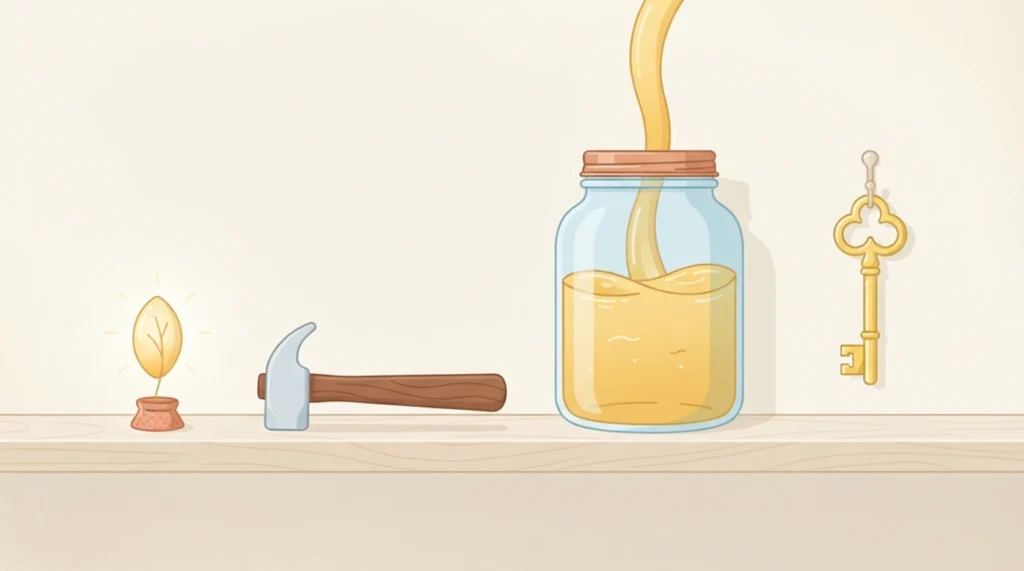
These four words are often mixed up, but each stresses something different.
| Word | Main Idea | Learned or Natural? | Typical Pattern |
| Ability | The power to do something | Either | ability to + verb |
| Skill | Quality gained through practice | Learned | skill at / in + noun |
| Talent | A special gift | Natural | talent for + noun |
| Capacity | The power to do, learn, or hold | Either | capacity for + noun |
“Ability” is the broadest word. “Skill” and “talent” are narrower, and “capacity” also covers how much something can hold.
Sources: Merriam-Webster; Collins English Dictionary
Ability and Opposite/Paired Word Pairs
| Word | Paired Word | Note |
| Ability | Inability | The direct opposite: lack of power to do something. |
| Ability | Incompetence | The opposite of competence: failing to do something well. |
| Ability | Ineptitude | A formal word for clear lack of skill. |
| Ability | Disability | Not a true opposite. It names a condition that limits a physical or mental function and should be used carefully. |
| Ability | Willingness | A natural pair: “ability and willingness to pay.” |
| Natural ability | Acquired skill | A common contrast between what is inborn and what is learned. |
“Inability” is the true opposite of “ability.” It is often followed by “to,” as in “an inability to focus.” Some pairs, like ability and willingness, are not opposites but often appear together because one is about “can” and the other is about “will.”
Sources: Merriam-Webster; Collins English Dictionary; Etymonline
Common Word Partners of “Ability”
| Pattern | Common Partners | Example |
| Adjective + ability | natural, great, exceptional, mental, physical, limited | She has exceptional ability in math. |
| Verb + ability | have, show, lose, develop, lack, test | He showed real ability on the field. |
| Ability + to + verb | ability to learn, ability to pay, ability to focus | Students need the ability to work in teams. |
| Noun + ability | reading ability, learning ability, leadership ability | The test measures reading ability. |
| Ability + noun | ability level, ability test, ability grouping | The school uses ability grouping in math. |
| Preposition phrase | to the best of my ability, beyond my ability | I did the work to the best of my ability. |
Sources: Collins English Dictionary; Merriam-Webster
Idiomatic Phrases Featuring “Ability”
“Ability” has few true idioms. These are established expressions, not idioms in the strict sense.
1. To the best of one’s ability
- Meaning: As well as one can; with all of one’s skill and effort.
- Example: I will do the job to the best of my ability.
2. Ability to pay
- Meaning: A person’s financial means, often used in law, taxes, and fees.
- Example: Fines in some places are set by the offender’s ability to pay.
3. From each according to his ability, to each according to his needs
- Meaning: A famous slogan about sharing work and resources, linked to Karl Marx’s Critique of the Gotha Programme (1875).
- Example: The speaker quoted “from each according to his ability” to explain the idea.
Sources: Merriam-Webster; Collins English Dictionary; Encyclopaedia Britannica
Word Formation of “Ability”
Etymology & Structure
“Ability” came into English from Old French ableté, which came from Latin habilitatem, a noun of quality built from habilis, meaning “easy to manage” or “handy.” It is closely tied to the adjective “able.” The Latin silent h did not return in English, even though some scholars tried to restore it in the 16th and 17th centuries.
The ending -ability in many English words, such as “reliability,” is a separate word-forming element. Etymonline notes that it is not etymologically related to “ability,” though people often connect them.
Date and History
The word appears in late 14th-century English with the meaning “state or condition of being able; capacity to do or act.” The plural “abilities,” meaning a person’s talents or mental powers, appears in the 1580s.
Word Class Variations
- Noun: ability, abilities
- Adjective: able, unable
- Adverb: ably
- Verb: enable, disable
- Opposite noun: inability
- Related noun: disability
Sources: Etymonline (ability, able, inability); Merriam-Webster
Common Word-Choice Mistakes
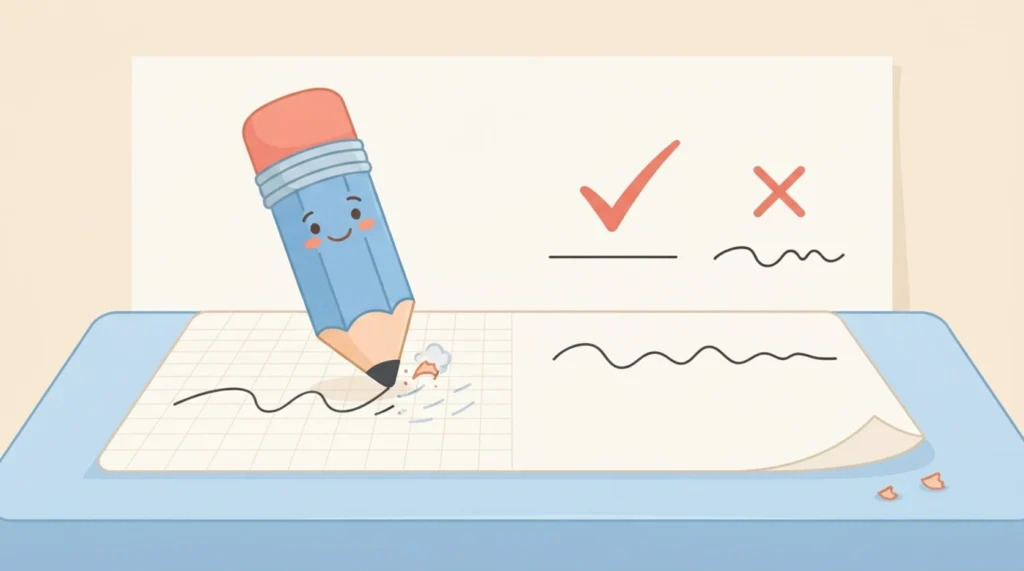
- Wrong: “the ability of swimming.” Correct: “the ability to swim.”
- Wrong: “She is capable to win.” Correct: “She is capable of winning” or “She is able to win.”
- Wrong: “I am able of speaking French.” Correct: “I am able to speak French” or “I am capable of speaking French.”
- Wrong: “His talent in using Excel.” Correct: “His skill in using Excel,” because this is learned, not inborn.
- Wrong: “Mastery in English.” Correct: “Mastery of English.”
- Wrong: “A capacity in cooking.” Correct: “A skill in cooking” or “a capacity for cooking.”
- Wrong: “He has a good faculty at teaching.” Correct: “He has a good ability for teaching” or “a talent for teaching.”
Frequently Asked Questions
What is the closest synonym for ability?
“Capability” and “skill” are the closest in everyday use. “Capability” fits power to do something, and “skill” fits learned ability.
What is a formal alternative to ability?
“Competence,” “proficiency,” and “capacity” are formal choices. They are common in reports, job descriptions, and academic writing.
What is a natural alternative for inborn ability?
“Talent,” “aptitude,” and “gift” all suggest ability that comes naturally. “Knack” is an informal option for a small, specific one.
What is the difference between ability and skill?
“Ability” can be natural or learned, while “skill” usually means ability developed through practice. A person may have the ability to sing but still need to build the skill.
What is the difference between ability and capability?
They are very close. “Capability” is often used for systems, tools, and organizations, while “ability” is more common for people.
Is ability the same as talent?
No. “Talent” is a special natural gift, while “ability” is broader and can include ordinary or learned power to do something.
What is a literary or admiring alternative?
“Prowess,” “artistry,” and “mastery” are admiring options. “Genius” is stronger still and should be used only for exceptional gifts.
What is the opposite of ability?
“Inability” is the direct opposite. “Incompetence” is the opposite of competence.
Can ability be used for things, not just people?
Yes. People say “the ability of the software to handle large files.” “Capability” often sounds more natural for machines and systems.
Is “ability” countable?
It can be both. You can say “an ability to listen” or “her many abilities,” though “ability” alone is also common for general level, as in “natural ability.”
Conclusion
The closest everyday alternatives to “ability” are skill, capability, capacity, competence, and talent. Words like aptitude, proficiency, and expertise cover more specific kinds of ability.
Context matters, because these words are not interchangeable. “Skill” suggests practice, “talent” suggests a gift, and “capacity” often means how much someone can take in or do. Related words such as potential, wherewithal, and acumen point to meanings that “ability” alone does not cover.
To choose the right word, first decide what you mean: can do, does well, was born with, or will be able to do. Then pick the word that matches, and keep “ability” when you want a plain, neutral option.